
Study after study by psychologists has shown that there is no correlation between wealth and happiness. The only exception is in cases of real poverty, when extra income does relieve suffering and brings security. But once our basic material needs are satisfied, our level of income makes little difference to our level of happiness. Research has shown, for example, that extremely rich people such as billionaires are not significantly happier than people with an average income, and suffer from higher levels of depression. Researchers in positive psychology have concluded that true well-being does not come from wealth but from other factors such as good relationships, meaningful and challenging jobs or hobbies, and a sense of connection to something bigger than ourselves (such as a religion, a political or social cause, or a sense of mission).
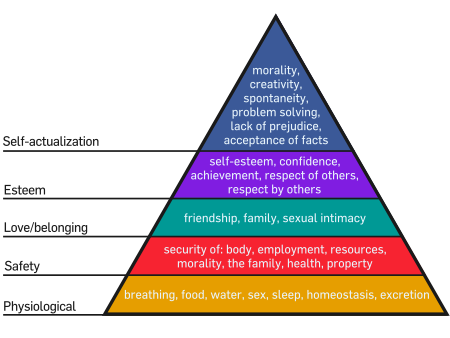
We try to ‘bolster' our fragile egos and make ourselves feel more complete by accumulating wealth and possessions. It doesn't work, of course - or at least, it only works for a very short time. The happiness of buying or owning a new item rarely lasts longer than a couple of days. The sense of ego-inflation generated by wealth or expensive possessions can be more enduring, but it's very fragile too. It depends on comparing yourself to other people who aren't as well off as you, and evaporates if you compare yourself to someone who is wealthier than you. And no matter how much we try to complete or bolster our ego, our inner discontent and incompleteness always re-emerges, generating new desires. No matter how much we get, it's never enough. As Buddhism teaches, desires are inexhaustible. The satisfaction of one desire just creates new desires, like a cell multiplying.
http://www.psychologytoday.com/blog/out-the-darkness/201203/the-madness-materialism
No comments:
Post a Comment